Leave the Lights On: In Defense of the Community That Won't Officially Die
Every internet veteran knows the feeling. You Google a niche question at 11 p.m., and the top result is a forum thread from 2019. The site is still up. The last post was eight months ago. Somebody replied anyway. You read the whole thread, close the tab, and think: is this place dead, or just sleeping?
The answer, mostly, is neither. It's what I've come to think of as the slow-fade community — a space that stopped being alive without ever being declared dead. And honestly? I'm not sure that's a problem.
The Strange Etiquette of the Empty Room
Posting in a dying community has its own unspoken rules. You don't ask "is anyone still here?" — that's considered gauche, a little desperate, like turning on every light in a house you're only visiting. Instead, you answer a three-year-old question as if no time has passed. You drop a resource and leave. You bump a thread with a single sentence and accept that it might float there forever.
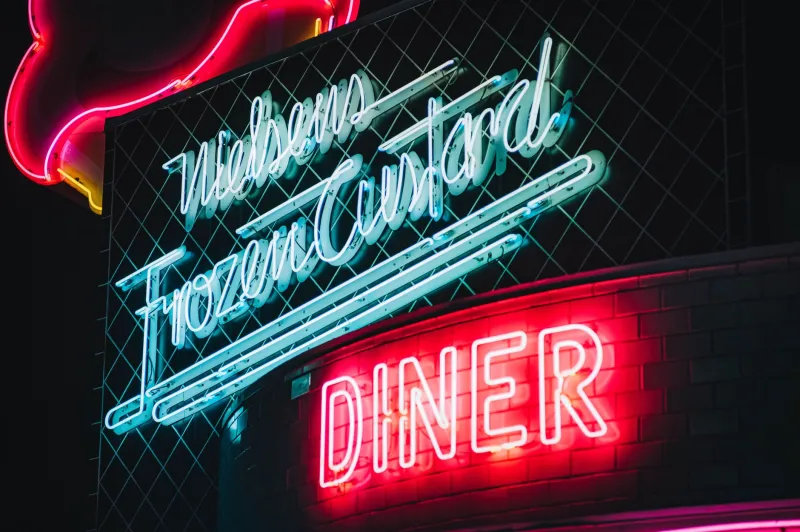
There's something almost polite about it. Everyone in a slow-fade space is aware of the silence, and everyone agrees not to mention it. It's the digital equivalent of a diner where the same four regulars still show up at 6 a.m. even though the town moved on a decade ago.
The Case For a Proper Funeral
Look, I get the other side. A community that lingers forever can be a haunted house. Newcomers wander in, post into the void, and get nothing — which is arguably worse than a clean "this space has closed" landing page. Zombie communities can also be a liability: unmoderated for years, quietly collecting spam, abandoned accounts, and the occasional very confused bot.
There's dignity in a good ending. Some of the best-respected communities in internet history shut down on purpose, archived themselves, and became legends precisely because they knew when to call it. An ending is a statement. A fade-out is just... weather.
But Here's Why I'd Keep the Lights On Anyway
The slow-fade serves a purpose the formal shutdown never can: it leaves the door unlocked. The archive stays searchable. The late-night stragglers — the person with the same weird problem you had in 2021 — can still find an answer. Occasionally, against all odds, someone posts and someone else answers, and for a week the place flickers back to life like a porch light sensing motion.
And psychologically, an official death is final in a way people aren't ready for. These spaces were homes. You don't bulldoze the house just because the family moved out. You let it stand. You let the grass grow. Somebody might come back.
The Verdict
If your community has gone quiet, you don't owe it a funeral. Post once a season if you feel like it. Answer the strays. Or don't, and let it rest. The internet moves fast, but it also forgets fast — and the slow-fade is one of the few forms of digital memory we've got left.
Some spaces refuse to die. Maybe that's not a failure of closure. Maybe it's the last honest thing about them.