Who Holds the Keys? What Happens to Twenty Years of Lore When the Admin Vanishes
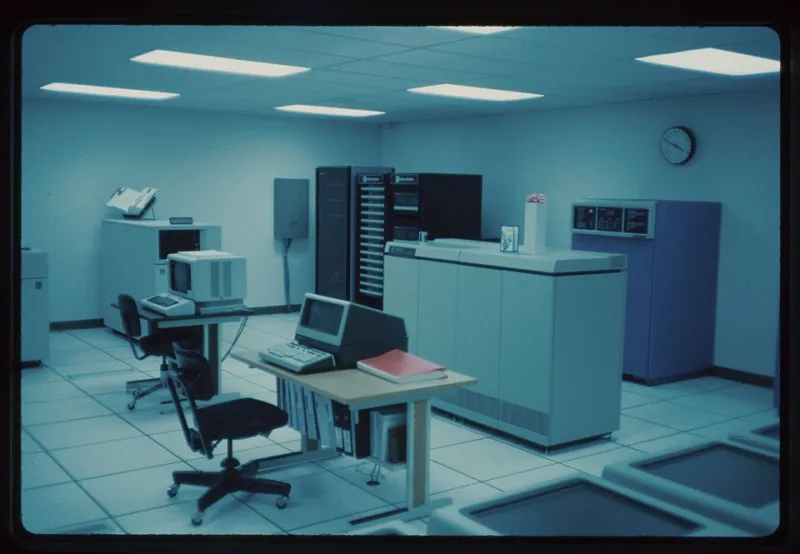
Photo: Columbus Metropolitan Library, No restrictions, via Wikimedia Commons
There's a forum somewhere right now—maybe a few thousand members, maybe forty—sitting on a server bill that only one person knows how to pay. That person has the admin credentials, the database backups, the registrar login, and probably the answer to a security question they set in 2009. And if they log off forever, whether by choice or by circumstance, everything inside goes with them.
We don't talk about this enough in community spaces, mostly because it's uncomfortable. But the reality is that most online communities are one person's memory away from total amnesia.
The Vault Nobody Can Open
Ask around in any long-running scene and you'll hear versions of the same story. A beloved community goes quiet. The founder stopped answering emails. The domain lapsed, or worse—it didn't lapse, because the auto-renew is tied to a credit card nobody can touch. The archive is technically alive and completely unreachable.
These are the locked vaults of the internet. Decades of posts, arguments, inside jokes, tutorials written by people who've since passed away, all sitting behind a door with no key. Sometimes the founder is fine, just moved on, and never thought to hand over the keys. Sometimes they're dealing with something serious. And sometimes, in the hardest cases, they've died without ever writing down a password.
For communities built around niche interests—a specific synth, a regional music scene, a defunct game—the archive isn't just data. It's the collective memory of a subculture. Lose it and the next generation starts from zero, re-deriving knowledge that already existed.
The Rescue Squads
The good news: there's a loose network of digital archivists who treat this stuff like emergency response. When a forum's future gets shaky, screenshots start flying. Members with old browser tabs and RSS exports become the most important people in the room. Someone spins up a mirror. Someone else has a decade-old backup they never mentioned.
Some of the most impressive rescues happen quietly. A community learns the founder is ill and, delicately, works out a handover plan. A widow finds a sticky note with a password and decides the forum should live on. A former mod who left on bad terms swallows their pride and reaches out—because the history matters more than the grudge.
Other times, the rescue is messier. Communities have rebuilt their entire history from Discord scrollback, Wayback Machine snapshots, and members' screenshots. It's the digital equivalent of reconstructing a family photo album from strangers' memories. Imperfect, incomplete, but deeply loved.
What Actually Gets Lost
It's never just the posts. It's the pinned thread explaining why a certain user was banned, which explains why a certain rule exists, which explains why the culture is the way it is. It's the origin story of the group's name. It's the running jokes that only make sense with context.
New members can tell when that context is missing. A rebuilt community feels like a band playing covers of their own songs—close, but something's off in the bridge.
The Uncomfortable Fix
There's no fancy solution here. If you run a community, or you're close to whoever does, the fix is boring: document the credentials somewhere trusted. Name a successor. Talk about succession while everyone's still around to have the conversation.
It feels morbid, like writing a will for a group chat. But the alternative is a vault full of your community's history that nobody can open. The people who come after you deserve better than a locked door and a rumor about what used to be in there.